

 中文简体
中文简体 Español
 русский
 Deutsch
 Français
If you need any help, please feel free to contact us

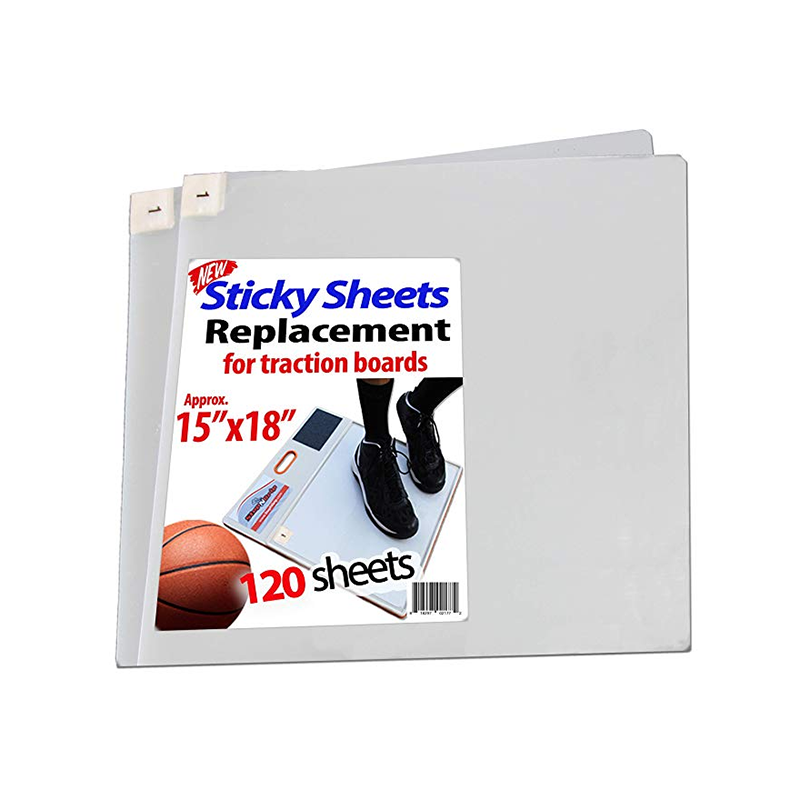
JEJOR sticky mats include standard film types (for removing dust, dirt, and microorganisms from shoe soles and trolleys), silicone types (higher load-bearing capacity for forklift traffic, reusable and eco-friendly), and sterilized types for medical use. Standard mats come in low, medium, high, and extra-high tack levels. All are widely used in optical instruments, semiconductors, LCD panels, biopharmaceuticals, medical, aerospace, precision instruments, photovoltaics, automotive manufacturing, food processing, outdoor sports, and related fields.
Cleanroom Air Purity Requirements Start With One Number A coating line in an ISO 7 area fails a routine particle count on a Tuesday morning. Nothing ...
View MoreIf your team is upgrading an SMT line, a medical packaging area, or an optical assembly cell to a Class 10000 cleanroom, the first purchase order oft...
View MoreA Class 1000 cleanroom permits no more than 1,000 particles of 0.5 microns or larger per cubic foot of air, which makes it equivalent to an ISO Class...
View MoreA battery dry room is a sealed, positive-pressure enclosure that holds the air at −40°C to −60°C dew point, a moisture content of only a few parts pe...
View MoreWhat pollutants do sticky mats absorb?
As a key protective tool for clean environments, sticky mats, with their multi-layered sticky structure, effectively capture a wide range of pollutants, including:
Particulate matter: Dust, sand, and fibers are the most common pollutants carried by shoe soles and wheels;
Microorganisms: Bacteria and fungal spores are among the most common pollutants found on shoe soles and wheels. Microbial contamination prevention and control is crucial in healthcare and laboratory settings;
Oil and chemical residues: In some industrial settings, shoe soles may be contaminated with oil or chemicals, and sticky mats can absorb these pollutants;
Other impurities: Metal debris and paint particles prevent them from entering cleanrooms and causing equipment damage or environmental disturbances.
Sticky mats manufactured by Suzhou Jujie Electron Co., Ltd. utilize a multi-layer composite sticky material design to specifically capture pollutants of varying particle sizes. Their long-lasting, non-detachable adhesion ensures that pollutants are firmly trapped, preventing secondary contamination.
Why do sticky mats clean shoe soles and wheels?
The core principle of sticky mats for cleaning shoe soles and wheels stems from their dual mechanisms of "physical adsorption + structural design":
The function of the sticky material: The sticky mat's surface is coated with a highly sticky adhesive layer. When contacted by a shoe sole or wheel, the adhesive layer absorbs pollutants through intermolecular forces.
Multi-layered structure: The multiple sticky layers capture pollutants layer by layer, preventing failure after a single layer becomes saturated, thus extending the service life.
Pressure adaptability: When a shoe sole is stepped on or a wheel rolls, the pressure ensures that the sticky material comes into full contact with pollutants, improving adsorption efficiency.
Scenario adaptability: Suzhou Jujie can customize the sticky mat's adhesive strength, thickness, and number of layers for different scenarios (such as factories and laboratories) to ensure the cleaning effect is matched to the specific scenario.
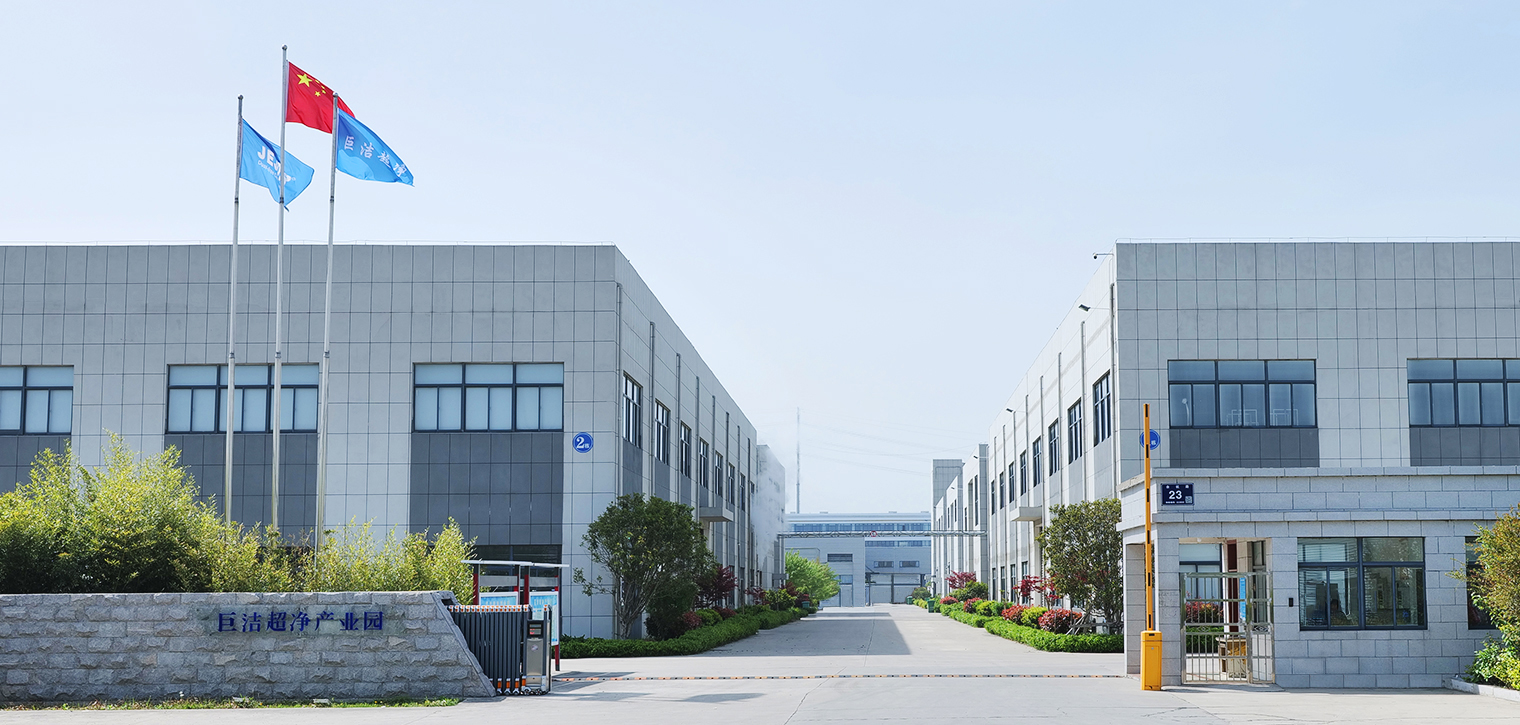
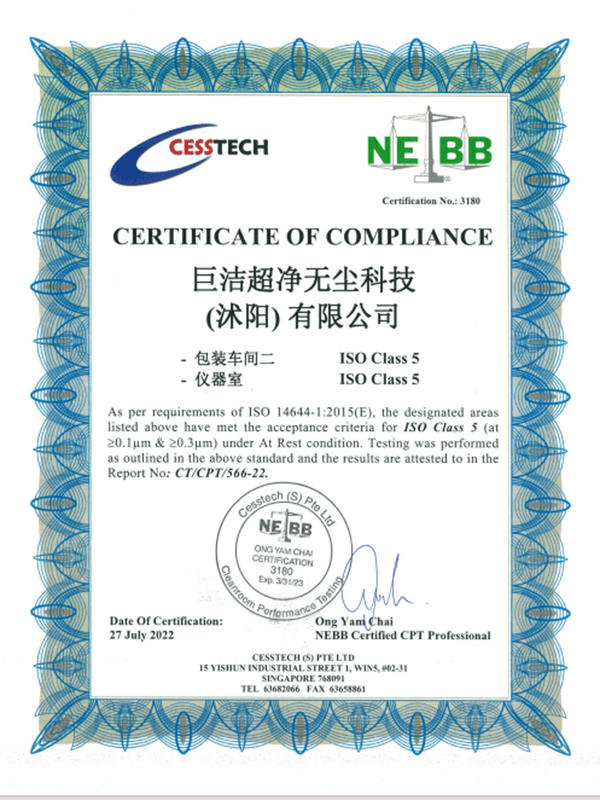
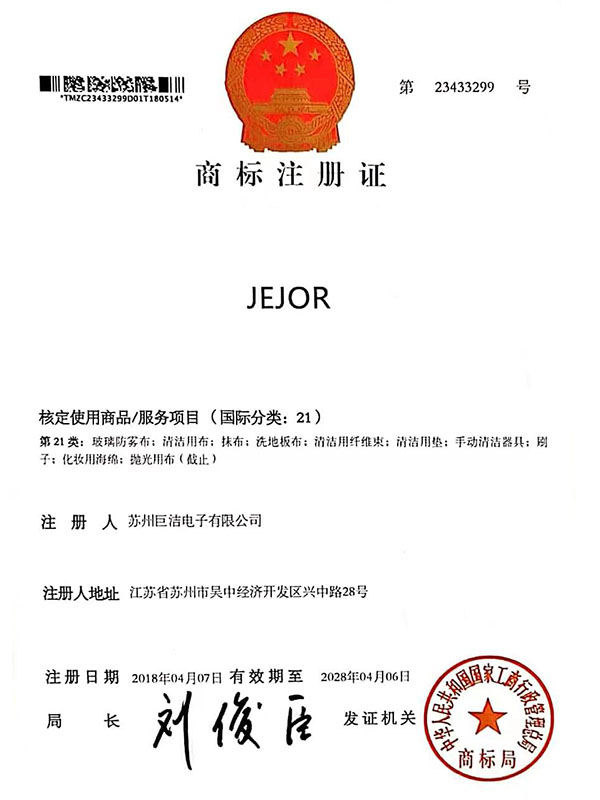
Suzhou Jujie Electronics Co., Ltd., with its ISO 5/6 cleanroom and 48 fully automated production lines, precisely controls the formula and structure of the sticky material, ensuring that the sticky mat is both efficient and durable when cleaning shoe soles and wheels, meeting the stringent requirements of high-cleanliness environments.
What are the advantages of sticky mats produced by Suzhou Jujie Electronics Co., Ltd.?
Suzhou Jujie Electronic Co., Ltd., a professional sticky mat manufacturer, derives its product advantages from a comprehensive approach to technology, production capacity, and quality:
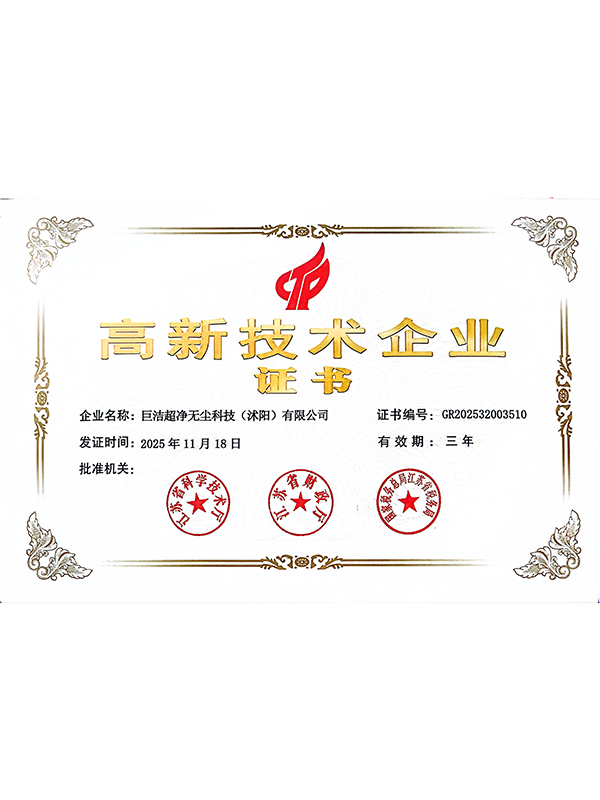
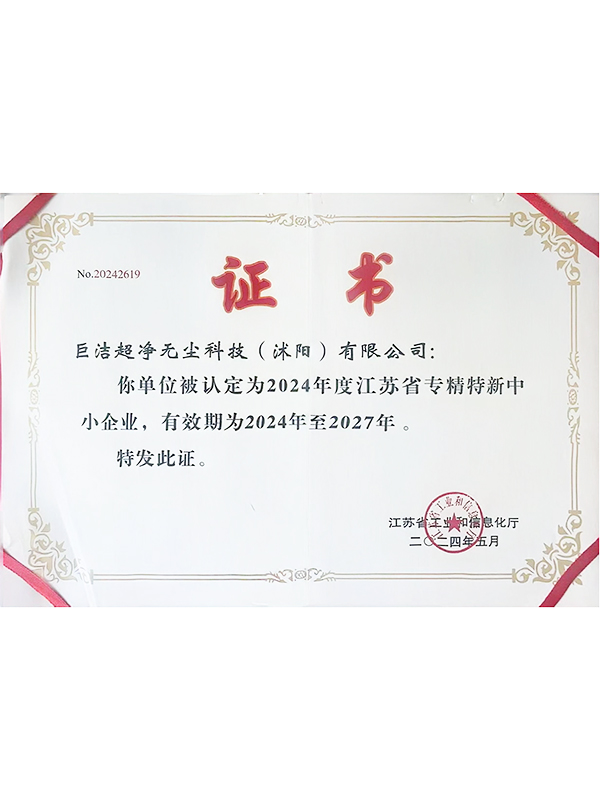
Technological Leadership: Leveraging its high-tech enterprise status, Jujie Electronics has mastered the core formula and multi-layer structure of its sticky mats, ensuring long-lasting adhesion and minimal residue.
Production Capacity and Scale: Following an investment expansion in 2018, the factory has expanded to 33,000 square meters, adding 48 fully automated production lines, increasing production capacity tenfold and enabling rapid response to large-scale orders.
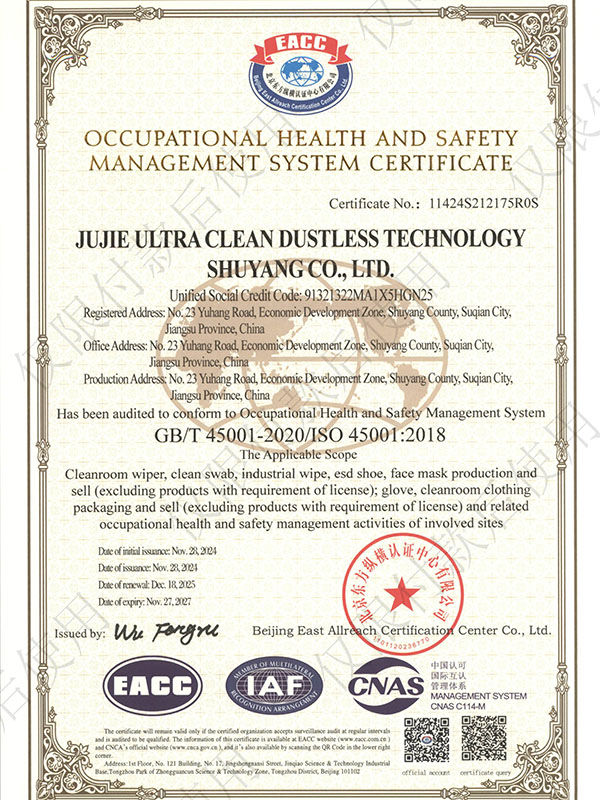
Quality Assurance: Our cleanroom is built to ISO Class 5/6 standards and equipped with high-end testing equipment imported from Germany and the United States, ensuring that every batch of sticky mats meets cleanroom standards.
Customization: We offer a variety of sticky mat specifications for diverse cleaning environments, such as factories, hospitals, and laboratories, to meet individual cleaning needs.


Add: 2nd Floor, Building 7, No. 9, Shenghong Road, Wuzhong Economic Development Zone, Suzhou City, Jiangsu Province, China
The information provided on this website is intended for use only in countries and jurisdictions outside of the People's Republic of China.
Copyright 2024 Suzhou Jujie Electron Co.,Ltd. All Rights Reserved Wholesale Sticky Mat Manufacturer China Sticky Mat Factory